

Hey there! As a supplier of CO detector alarms, I've seen a lot of folks scratching their heads over the differences between residential and commercial CO detector alarms. It's a topic that's super important, especially when it comes to keeping people safe from the silent killer - carbon monoxide. So, let's dive right in and break down these differences.
Detection Requirements
First off, let's talk about detection requirements. In residential settings, the primary goal is to protect the people living in the home. The Carbon Monoxide Detector Home needs to be sensitive enough to pick up low levels of carbon monoxide over a long period. This is because in a home, people are usually there for extended periods, and even small amounts of CO can be harmful over time.
For example, a slow leak from a faulty furnace might not produce a large amount of CO right away, but over hours or days, it can build up to dangerous levels. Residential CO detectors are designed to detect these low - level, long - term exposures. They're calibrated to sound an alarm when the CO concentration reaches a level that could pose a risk to human health over an extended period, like 70 parts per million (ppm) for 60 to 240 minutes.
On the other hand, commercial settings have different detection needs. In a commercial building, there are often more complex systems at play, like large - scale heating, ventilation, and air - conditioning (HVAC) systems. These systems can produce larger amounts of CO in a shorter period if something goes wrong.
Commercial CO detectors need to be able to detect high - level, short - term spikes in CO concentration. For instance, if there's a sudden malfunction in a commercial kitchen's gas stove or a large industrial boiler, the CO levels can skyrocket quickly. Commercial detectors are calibrated to sound an alarm at higher concentrations, say 400 ppm for 10 to 20 minutes, to protect the large number of people who might be in the building at any given time.
Alarm Features
The alarm features of residential and commercial CO detectors also vary. In a home, the alarm is usually a simple, loud beeping sound. It's designed to wake up sleeping residents and alert them to the presence of CO. Most Home CO Detector models have a single - tone alarm that's easy to recognize.
Some residential detectors also have additional features like a digital display that shows the current CO concentration. This can be useful for homeowners to get an idea of how serious the situation is. There are also models that can connect to a home security system, so the monitoring company can be alerted if there's a CO leak.
Commercial CO detectors, however, often have more sophisticated alarm features. In a commercial building, a simple beeping sound might not be enough to alert everyone. That's why many commercial detectors are connected to a building's fire alarm system. When the CO detector senses a dangerous level of CO, it can trigger the building's entire fire alarm system, which includes strobe lights and voice announcements.
This ensures that everyone in the building, including those with hearing impairments, is notified of the CO hazard. Additionally, commercial detectors can be connected to a central monitoring station. This means that building managers or security personnel can be alerted immediately, no matter where they are.
Installation and Placement
Installation and placement are crucial for both residential and commercial CO detectors, but the rules are a bit different. In a home, it's recommended to install Carbon Monoxide Detector Alarm on every level of the house, especially near bedrooms. Since CO is slightly lighter than air, it tends to rise, but it can also mix evenly throughout a room.
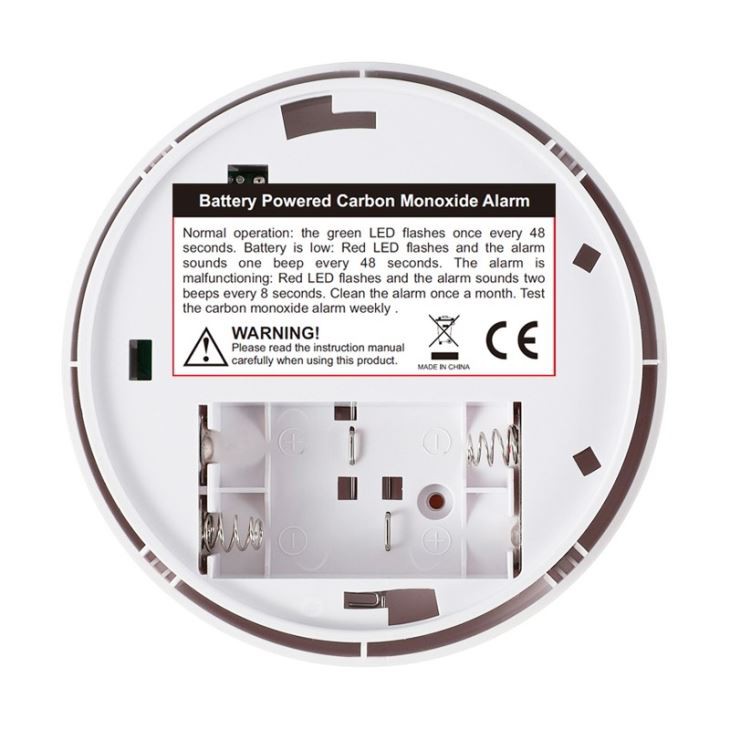

Detectors should be installed at least 5 feet off the floor, away from windows, doors, and vents. This helps to ensure that the detector is getting an accurate reading of the CO concentration in the living space. Also, it's important not to place the detector near sources of heat or vibration, as this can interfere with its operation.
In a commercial setting, the installation is more complex. The placement of commercial CO detectors depends on the type of business and the layout of the building. For example, in a restaurant, detectors should be installed near the kitchen, where there are gas appliances. In an office building, detectors should be placed near the HVAC system and in common areas.
Commercial buildings often require multiple detectors to cover all areas adequately. These detectors need to be installed according to local building codes and regulations. In some cases, professional installation by a licensed technician is required to ensure that the detectors are installed correctly and are functioning properly.
Power Source
The power source is another difference between residential and commercial CO detectors. In a home, most CO detectors are either battery - powered or plugged into an electrical outlet. Battery - powered detectors are convenient because they can still work during a power outage. However, they require regular battery changes to ensure they're always operational.
Plug - in detectors are connected to the home's electrical system. Some models also have a battery backup in case of a power failure. This provides an extra layer of protection, as the detector will continue to function even if there's a blackout.
Commercial CO detectors usually rely on the building's electrical system for power. They're hard - wired into the electrical panel of the building. This is because commercial buildings need a reliable and continuous power source for their CO detection systems.
In addition, commercial detectors often have a backup power supply, such as a battery or an uninterruptible power supply (UPS). This ensures that the detectors will continue to operate during a power outage, protecting the building and its occupants.
Maintenance and Testing
Maintenance and testing are essential for the proper functioning of both residential and commercial CO detectors. In a home, homeowners are usually responsible for testing their CO detectors monthly. This can be done by pressing the test button on the detector. If the alarm doesn't sound, the battery might need to be replaced or the detector might be faulty.
Homeowners also need to replace the detector every 5 to 7 years, as the sensors can degrade over time. Some residential detectors have a built - in end - of - life indicator that will let you know when it's time to replace the unit.
In a commercial setting, maintenance and testing are more rigorous. Commercial CO detectors need to be tested regularly by a professional. This includes checking the calibration of the detector, testing the alarm function, and inspecting the wiring and connections.
Commercial buildings also need to keep detailed records of all maintenance and testing activities. These records are often required by local building codes and insurance companies. Regular maintenance and testing help to ensure that the commercial CO detectors are always in good working condition and can provide reliable protection.
Conclusion
So, as you can see, there are some significant differences between residential and commercial CO detector alarms. Whether you're a homeowner looking to protect your family or a business owner responsible for the safety of your employees and customers, choosing the right CO detector is crucial.
If you're in the market for a CO detector, whether it's for your home or your business, don't hesitate to reach out. As a CO detector alarm supplier, I can help you find the right product that meets your specific needs. Whether you need a simple, battery - powered residential detector or a complex, hard - wired commercial system, I've got you covered. Let's start a conversation about how we can keep you and your place safe from carbon monoxide.
References
- "Carbon Monoxide Poisoning: Prevention and Detection." National Fire Protection Association.
- "Commercial and Residential Carbon Monoxide Detector Standards." Underwriters Laboratories.
- "CO Detector Installation and Maintenance Guidelines." Local Building Codes and Regulations.