

Hey there! As a supplier of Home Methane Detectors, I often get asked the question: "How often should I test my home methane detector?" Well, let's dive right into it and break it down so you can keep your home safe.
First off, let's understand why testing your home methane detector is so important. Methane is a colorless, odorless gas that can be extremely dangerous. It's highly flammable, and in high concentrations, it can displace oxygen, leading to asphyxiation. A properly functioning methane detector is your first line of defense against these risks. It can alert you to the presence of methane before it reaches dangerous levels, giving you time to take action and keep your family safe.
So, how often should you test it? The general rule of thumb is to test your home methane detector at least once a month. This regular testing helps ensure that the detector is working correctly and can accurately detect methane. It's a simple process that only takes a few minutes, but it can make a huge difference in protecting your home and loved ones.
To test your detector, start by checking the power source. Make sure the batteries are fresh or that the detector is properly plugged in. If your detector has a test button, press it. You should hear an alarm sound within a few seconds. If the alarm doesn't go off, there might be a problem with the detector. In this case, refer to the user manual for troubleshooting steps or contact the manufacturer for assistance.
But once-a-month testing isn't the only thing you should do. You should also perform a more thorough inspection at least once a year. This inspection involves checking the physical condition of the detector. Look for any signs of damage, such as cracks or loose parts. Clean the detector according to the manufacturer's instructions to remove any dust or debris that could affect its performance.
Now, if you live in an area where there's a higher risk of methane leaks, like near a landfill or an oil and gas field, you might want to test your detector more frequently. In these situations, testing every two weeks could be a good idea. Also, if you've recently had any work done on your home's plumbing or heating systems, it's a good idea to test the detector right after the work is completed to make sure there are no new methane leaks.
Another factor to consider is the age of your detector. Most home methane detectors have a lifespan of about 5 to 7 years. As the detector gets older, its performance may start to decline. So, even if you're testing it regularly, it's important to keep an eye on its age and replace it when necessary.
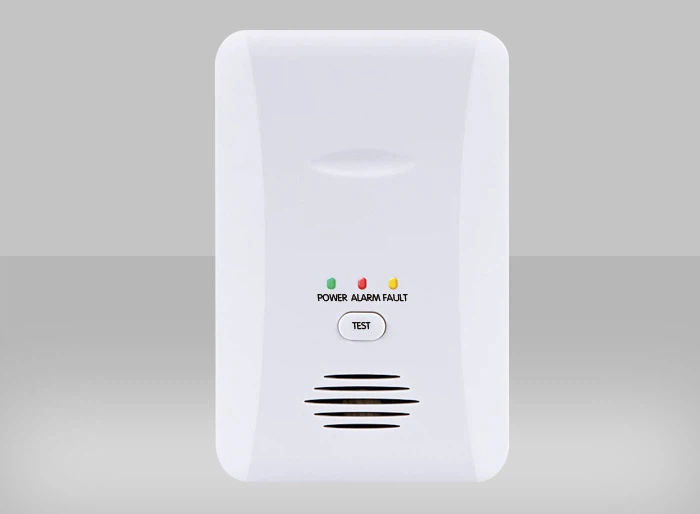

At our company, we offer a wide range of high - quality Home Methane Detector. Our detectors are reliable and easy to use, with features like loud alarms and long - lasting batteries. We also have Gas Alarm Detector that can detect multiple types of gases, giving you even more protection for your home. And if you're on a budget, we have Cheap Gas Detetcor options that don't compromise on quality.
Testing your home methane detector regularly is a small but crucial step in keeping your home safe. By following the recommended testing schedule and taking good care of your detector, you can have peace of mind knowing that you're protected against the dangers of methane.
If you're interested in purchasing a home methane detector or have any questions about our products, don't hesitate to reach out. We're here to help you find the right detector for your needs and ensure that your home is as safe as possible.
References
- National Fire Protection Association (NFPA). Guidelines for gas detector testing and maintenance.
- Manufacturer's manuals for home methane detectors.