

Hey there! As a supplier of Home CO Detectors, I know how crucial it is to ensure these devices are installed correctly. Carbon monoxide (CO) is a silent killer - it's odorless, colorless, and can be extremely dangerous. So, let's dive into how you can make sure your Home CO Detector is properly installed.
1. Choose the Right Location
First things first, picking the right spot for your detector is key. You wanna place it where it can effectively detect carbon monoxide.
- Near Sleeping Areas: Since CO can be particularly dangerous when you're asleep, it's a great idea to install a detector near bedrooms. A Mini Bedroom Co Detector is perfect for this. It's small, unobtrusive, and can easily be placed on a nightstand or mounted on the wall close to your bed. This way, if there's a CO leak, you'll be alerted right away.
- On Every Level of Your Home: CO can spread quickly throughout a house. So, it's a good practice to have a detector on each floor. Make sure to install them in common areas like hallways or living rooms. This gives you comprehensive coverage and increases the chances of early detection.
- Avoid Problematic Areas: Steer clear of places where the detector might give false alarms or not work properly. Don't install it near windows, doors, or vents as drafts can affect its accuracy. Also, keep it away from kitchens, bathrooms, and laundry rooms where steam, humidity, or cooking fumes can cause issues.
2. Mounting the Detector
Once you've found the perfect location, it's time to mount the detector.
- Follow the Manufacturer's Instructions: Every Home Carbon Monoxide Detector comes with its own set of instructions. These are there for a reason, so make sure to read them carefully. They'll tell you exactly how to mount the detector - whether it's on the wall, ceiling, or a combination of both.
- Use the Right Tools: You'll need basic tools like a screwdriver, drill (if mounting on the wall), and possibly a level to ensure it's straight. Using the correct tools makes the installation process much easier and ensures the detector is securely mounted.
- Mount at the Right Height: For most detectors, mounting them about 5 feet from the ground is ideal. This is because CO is slightly lighter than air and tends to rise, but this height allows for good detection. However, always double - check the manufacturer's recommendations.
3. Powering the Detector
There are different ways to power your CO detector, and each has its pros and cons.
- Battery - Powered: A Battery CO Gas Alarm is a popular choice. It's easy to install and doesn't rely on your home's electrical system. This means it'll still work during a power outage, which is a huge plus. Just make sure to regularly check and replace the batteries as needed. You don't want the detector to stop working because of dead batteries.
- Hard - Wired: Hard - wired detectors are connected directly to your home's electrical system. They usually come with a backup battery in case of a power failure. These detectors are more reliable in the long run, but the installation might be a bit more complicated. You might need an electrician to install them properly.
4. Testing the Detector
After installation, testing the detector is a must.

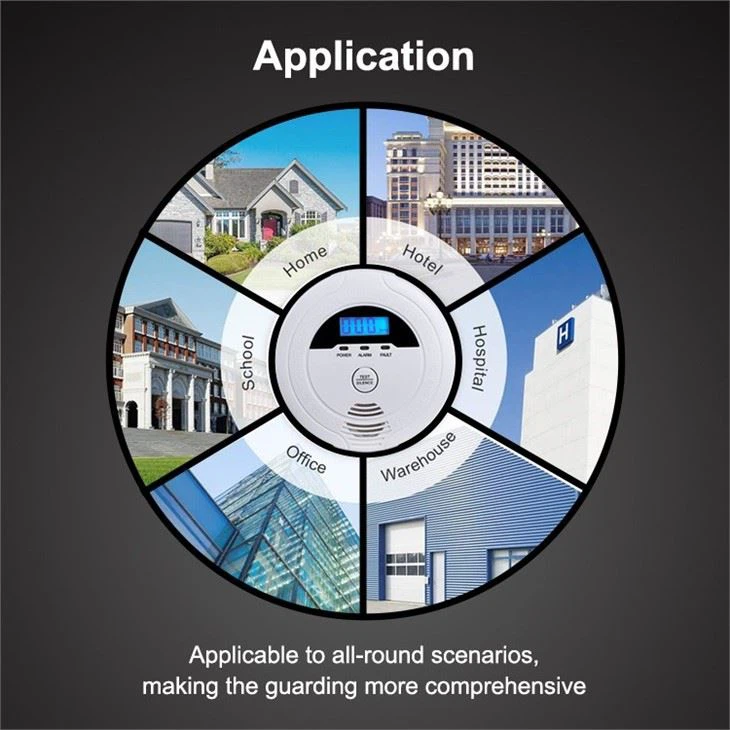
- Initial Test: Once you've installed the detector, press the test button right away. This should trigger an alarm, indicating that the device is working. If it doesn't go off, check the batteries (if it's battery - powered) or the electrical connection (if it's hard - wired).
- Regular Testing: Test your detector at least once a month. This ensures that it's still in good working condition. It only takes a few seconds, but it can save your life.
5. Maintenance
Proper maintenance is essential for the long - term performance of your CO detector.
- Cleaning: Dust and dirt can accumulate on the detector over time, which can affect its sensitivity. Use a soft, dry cloth to gently clean the outside of the detector every few months. Avoid using any harsh chemicals or abrasive materials.
- Replace Old Detectors: Most CO detectors have a lifespan of about 5 - 7 years. After this time, they may not work as effectively. So, make sure to replace your detector when it reaches the end of its lifespan.
Why Our Home CO Detectors Are the Best
At our company, we take pride in providing high - quality Home CO Detectors. Our detectors are designed to be accurate, reliable, and easy to install. We use the latest technology to ensure that they can detect even the smallest amounts of carbon monoxide.
Whether you're looking for a Mini Bedroom Co Detector for your sleeping area or a Home Carbon Monoxide Detector for your whole house, we've got you covered. Our Battery CO Gas Alarm is a great option for those who want a simple and convenient solution.
If you're interested in purchasing our Home CO Detectors or have any questions about installation or maintenance, don't hesitate to reach out. We're here to help you keep your home and family safe from the dangers of carbon monoxide. Contact us to start a procurement discussion and find the best CO detector solution for your needs.
References
- "Carbon Monoxide Detector Installation Guide", Consumer Product Safety Commission
- "Best Practices for Home CO Detector Use", National Fire Protection Association