

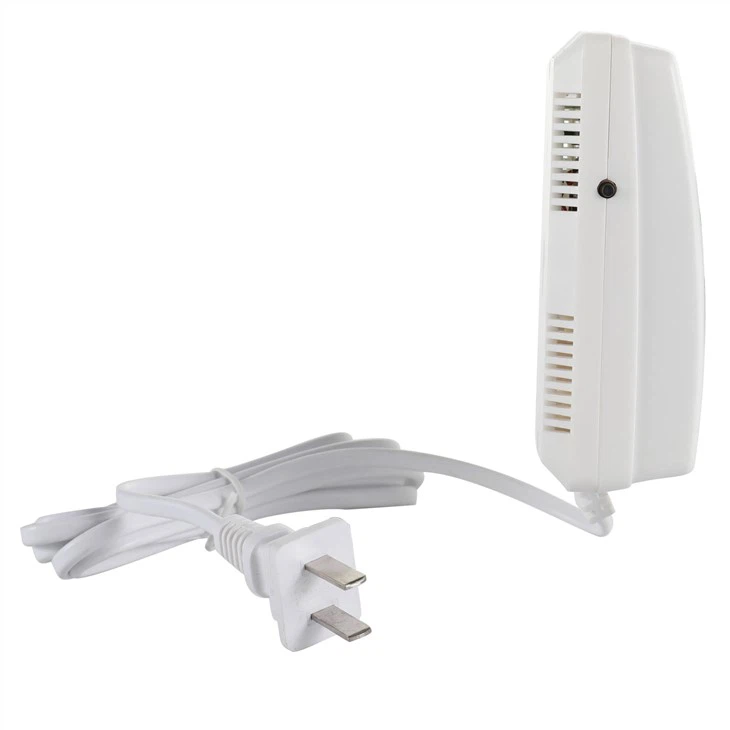
LPG, or liquefied petroleum gas, is a popular fuel source used in many households and industries due to its efficiency and versatility. However, it is highly flammable and can pose a significant safety risk if a leak occurs. This is where an LPG gas leak detector becomes an essential device. As a leading supplier of LPG Gas Leak Detectors, I often get asked the question: "Where should I install an LPG gas leak detector?" In this blog post, I'll delve into the best locations to install these detectors to ensure maximum safety.
Understanding LPG Gas Properties
Before discussing installation locations, it's crucial to understand the properties of LPG. LPG is heavier than air, which means that in case of a leak, it will tend to sink and accumulate in low - lying areas. This characteristic significantly influences the placement of gas leak detectors.
Installation in Residential Settings
Kitchens
The kitchen is one of the most common areas where LPG is used in homes. It is where gas stoves, ovens, and sometimes water heaters are fueled by LPG. Given that LPG is heavier than air, detectors should be installed near the floor level. A good rule of thumb is to place the detector within 12 - 18 inches from the floor. This ensures that if there is a gas leak, the detector can quickly sense the presence of the gas as it accumulates near the ground.
In a typical kitchen layout, the detector should be installed close to the gas appliance. For example, if you have a gas stove, place the detector on the wall adjacent to the stove, near the floor. This way, any gas leaking from the stove or its connections can be detected promptly.
Garages
If you have an LPG - powered vehicle or store LPG cylinders in your garage, installing a gas leak detector is a must. Similar to the kitchen, since LPG is heavier than air, the detector should be placed near the floor. Garages often have poor ventilation, and a gas leak can quickly lead to a dangerous build - up of gas. By installing a detector near the floor, you can detect any leaks before the gas concentration reaches a hazardous level.
Basements
Basements are another area where LPG cylinders might be stored, or there could be LPG - powered equipment. Due to their low - lying nature, they are prone to gas accumulation. Install the detector on the lowest level of the basement, close to the floor. This ensures that any leaking gas is detected early, preventing the formation of an explosive atmosphere.
Installation in Commercial and Industrial Settings
Restaurants and Food Processing Units
In commercial kitchens such as those in restaurants and food processing units, multiple LPG appliances are used simultaneously. The high volume of LPG usage increases the risk of leaks. Detectors should be installed at multiple locations. Place detectors near each gas appliance, at floor level. Additionally, consider installing a central detector system that can monitor the entire kitchen area. This way, any leak, no matter where it occurs, can be detected immediately.
Factories and Manufacturing Plants
In industrial settings where LPG is used as a fuel for manufacturing processes, the installation of gas leak detectors is even more critical. These facilities often have large storage tanks and complex piping systems. Detectors should be installed at key points along the piping, especially at joints and valves where leaks are more likely to occur. At storage tank areas, detectors should be placed around the base of the tanks, as well as at the access points.
It's also important to install detectors in areas where workers are present. This allows for a quick response in case of a leak, protecting the employees from potential harm.
Other Considerations for Installation
Ventilation
Proper ventilation is essential when installing gas leak detectors. Avoid placing detectors in areas with strong air currents, such as directly in front of fans or air vents. Strong air currents can disperse the gas before it reaches the detector, leading to false negatives. On the other hand, poorly ventilated areas can cause gas to accumulate, increasing the risk of a dangerous situation. Ensure that the detector is installed in an area where the gas can reach it, but not be overly affected by air movement.
Avoid Obstructions
Make sure that the detector is not blocked by any objects. Furniture, boxes, or other equipment can prevent the gas from reaching the detector. Keep a clear space around the detector to ensure its proper functioning.
Regular Maintenance
Once installed, regular maintenance of the gas leak detector is crucial. Check the detector regularly to ensure that it is working properly. Replace the batteries if it is a battery - operated model, and clean the sensor according to the manufacturer's instructions.
The Importance of Choosing the Right Gas Detector
When it comes to ensuring the safety of your home or business, choosing the right gas detector is as important as proper installation. At our company, we offer a wide range of high - quality gas detectors, including Natural Gas Detector, YANJEN Brand Gas Detector, and Combustible Gas Detector. These detectors are designed to provide accurate and reliable detection of gas leaks, giving you peace of mind.
Conclusion
Installing an LPG gas leak detector in the right locations is crucial for ensuring the safety of your home or business. By understanding the properties of LPG and following the guidelines provided in this blog post, you can effectively protect yourself, your family, and your employees from the dangers of gas leaks.
If you are interested in purchasing high - quality LPG gas leak detectors or have any questions about installation and maintenance, please don't hesitate to contact us. We are here to help you make the right choice for your safety needs.

References
- NFPA 58: Liquefied Petroleum Gas Code.
- International Association of Fire Fighters (IAFF) guidelines on gas safety.
- Manufacturer's installation and user manuals for gas leak detectors.