

Hey there! As a supplier of LPG gas leak detectors, I've gotten tons of questions about the built - in pump in these devices. So, I thought I'd take the time to break down what its function is and why it's such a big deal.

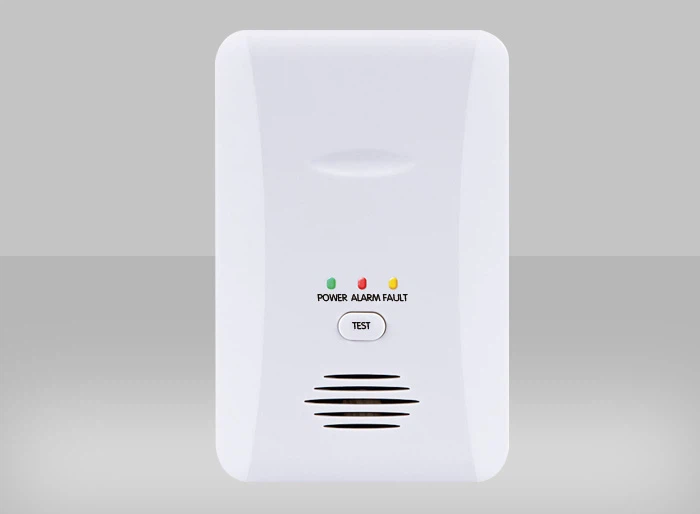
First off, let's talk about what an LPG gas leak detector actually does. Liquefied Petroleum Gas (LPG) is a common fuel source used in homes, industries, and vehicles. But it's also highly flammable and can be dangerous if it leaks. That's where our LPG gas leak detectors come in. They're designed to sense the presence of LPG in the air and alert you if there's a leak.
Now, the built - in pump is like the heart of some of these detectors. Its main function is to actively draw in air from the surrounding environment. You see, without a pump, the detector would rely on natural air diffusion. This means that the gas would have to slowly move through the air and reach the sensor on its own. It's a bit like waiting for a smell to reach your nose across a big room. It could take a while, and by the time the detector senses the gas, it might already be at a dangerous level.
But with a built - in pump, the detector can suck in air from a wider area and at a faster rate. It's like using a vacuum cleaner to pick up dirt instead of waiting for it to blow into a corner. This active sampling allows the detector to quickly and accurately detect even small amounts of LPG gas. It can cover a larger space and provide a more reliable early warning system.
Another great thing about the pump is that it can be especially useful in areas with poor air circulation. In some industrial settings or basements, the air might not move around very well. Without a pump, the gas could build up in pockets, and the detector might not even know it. The pump helps to overcome this problem by pulling in air from different spots, making sure that no gas goes undetected.
Let's say you have a big storage area for LPG cylinders. There could be parts of the room where the air just doesn't move much. A detector with a built - in pump can sample air from various corners of that space, giving you a comprehensive view of the gas levels. This is crucial for safety, as it can prevent potential explosions or fires caused by undetected gas leaks.

Now, I know what you're thinking. "Is a detector with a built - in pump more expensive?" Well, it might be a bit pricier than those without a pump, but think about the added safety and peace of mind it offers. You're getting a device that can detect leaks faster and more accurately, which could save you from a lot of trouble in the long run.

When it comes to choosing the right LPG gas leak detector, you've got options. If you're looking for a natural gas detector alarm, check out our Natural Gas Detector Alarm. It's got all the features you need to keep your home or workplace safe from natural gas leaks.
Our Gas Alarm Detector is another great choice. It's a reliable detector that can be used in various settings. Whether you're in a small apartment or a large industrial facility, this detector will do the job.
And if you're looking for something for home use, our Gas Detector For Home Use is perfect. It's easy to install and use, and it'll give you the protection you need for your family.
As a supplier, I can tell you that we take safety seriously. Our detectors are made with high - quality materials and the latest technology. The built - in pumps in our devices are designed to work efficiently and last a long time. We test each detector thoroughly to make sure it meets the highest standards.
If you're in the market for an LPG gas leak detector, especially one with a built - in pump, I'd love to talk to you. Whether you're a homeowner, a business owner, or someone in the industry, we can help you find the right detector for your needs. Don't hesitate to reach out to start a conversation about your requirements. We're here to make sure you get the best product for your safety.
References:
- General knowledge about LPG gas and gas detection technology
- Product specifications and research from our LPG gas leak detector production process