

What is a Personal CO Alarm?
Carbon monoxide (CO) is a silent and deadly gas. It is colorless, odorless, and tasteless, making it extremely difficult to detect without proper equipment. A personal CO alarm is a crucial device designed to protect individuals from the dangers of carbon monoxide poisoning. As a supplier of personal CO alarms, I am eager to share in - depth knowledge about these life - saving devices.
The Basics of Carbon Monoxide
Before delving into personal CO alarms, it's essential to understand carbon monoxide itself. CO is produced by the incomplete combustion of carbon - containing fuels such as gasoline, natural gas, oil, coal, and wood. Common sources of CO in our daily lives include faulty heating systems, gas stoves, fireplaces, and running vehicles in enclosed spaces.

When inhaled, carbon monoxide binds to hemoglobin in the blood more readily than oxygen. This reduces the blood's ability to carry oxygen to vital organs such as the brain, heart, and lungs. Prolonged exposure to even low levels of CO can lead to headaches, dizziness, nausea, confusion, and in severe cases, it can be fatal.
What is a Personal CO Alarm?
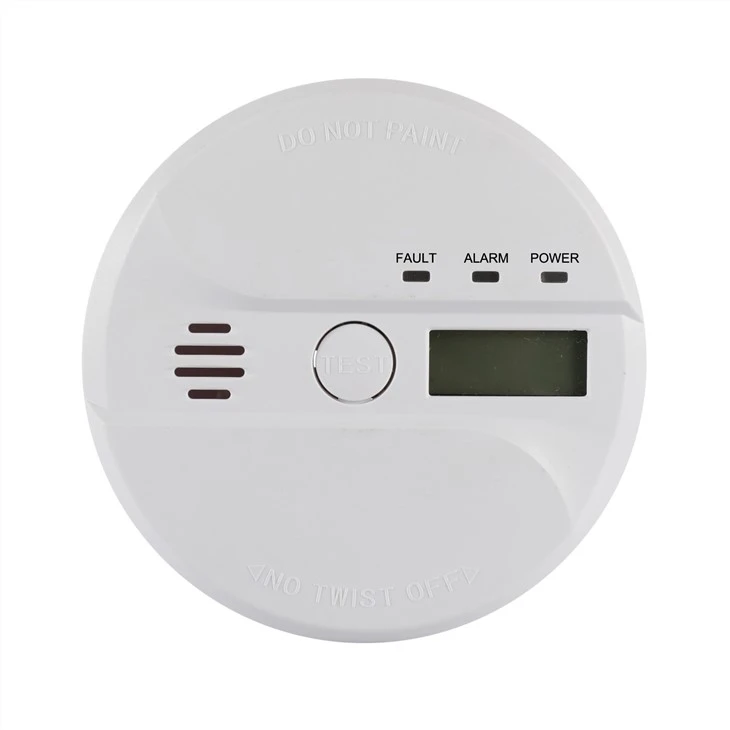
A personal CO alarm is a portable device that continuously monitors the air for the presence of carbon monoxide. It is designed to be carried with you, whether you are at home, in the office, or on the go. Unlike traditional fixed - location CO detectors that are installed in specific areas of a building, personal CO alarms offer individual - level protection.
These alarms are typically small, lightweight, and easy to use. They are equipped with sensors that can detect CO at very low concentrations. Once the CO level in the air reaches a pre - set threshold, the alarm will sound, alerting the user to the potential danger.
Key Features of Personal CO Alarms
- Portability: The most significant advantage of personal CO alarms is their portability. You can clip them onto your belt, put them in your pocket, or hang them on your backpack. This means you can have protection wherever you are, whether you are camping in the wilderness, staying in a hotel, or working in a garage.
- Sensitivity: High - quality personal CO alarms are highly sensitive. They can detect even trace amounts of carbon monoxide, giving you an early warning before the levels become dangerous.
- Battery - Powered: Most personal CO alarms are battery - operated, which makes them independent of the electrical grid. This is especially important during power outages when other fixed - location detectors may not work. For example, our 2*1.5V AA Battery CO Alarm offers long - lasting power and reliable performance.
- Audible and Visual Alerts: Personal CO alarms usually have both audible and visual alerts. The loud beeping sound can be heard even in noisy environments, and the flashing lights are useful in situations where the user may have hearing impairments or is in a noisy area.
Applications of Personal CO Alarms
- Home Use: While homes are often equipped with fixed - location CO detectors, personal CO alarms provide an extra layer of protection. You can carry it around the house, especially when you are near potential sources of CO such as the kitchen or the basement. A Bedroom CO Detector is also a great addition to your home safety setup, and using a personal CO alarm in conjunction with it can enhance your protection.
- Workplace: Many workplaces, especially those where combustion processes are involved, such as factories, garages, and construction sites, can have elevated levels of CO. Workers can wear personal CO alarms to protect themselves from accidental exposure.
- Travel: When traveling, you may stay in unfamiliar accommodations. A personal CO alarm can give you peace of mind, ensuring that you are protected from CO in hotels, cabins, or rental cars.
How to Choose a Personal CO Alarm
- Compliance with Standards: Look for alarms that comply with relevant safety standards. For example, our TUV EN50291 Carbon Monoxide Alarm meets strict European safety standards, which ensures its reliability and performance.
- Battery Life: Consider the battery life of the alarm. A longer - lasting battery means less frequent replacement and more continuous protection.
- Sensor Technology: Different sensors have different levels of accuracy and sensitivity. Research the sensor technology used in the alarm to ensure it can provide reliable detection.
- Ease of Use: The alarm should be easy to operate, with simple controls for testing and resetting.
Maintenance of Personal CO Alarms
Proper maintenance is crucial to ensure the effectiveness of personal CO alarms. Here are some maintenance tips:
- Regular Testing: Test your alarm at least once a month to make sure it is working properly. Most alarms have a test button that you can press to check the functionality.
- Battery Replacement: Replace the batteries as recommended by the manufacturer. If the alarm gives a low - battery warning, replace the batteries immediately.
- Cleaning: Keep the alarm clean and free of dust and debris. Use a soft, dry cloth to wipe the exterior of the alarm.
The Importance of Personal CO Alarms
The importance of personal CO alarms cannot be overstated. They are a simple yet effective way to protect yourself and your loved ones from the dangers of carbon monoxide poisoning. According to the Centers for Disease Control and Prevention (CDC), thousands of people in the United States visit the emergency department each year due to CO poisoning, and hundreds die. By using a personal CO alarm, you can significantly reduce your risk of being a victim of this silent killer.
In conclusion, personal CO alarms are an essential safety device in today's world. Whether you are at home, work, or on the move, having a personal CO alarm can provide you with the peace of mind that you are protected from the hidden threat of carbon monoxide. As a supplier of personal CO alarms, we are committed to providing high - quality, reliable products that meet the highest safety standards.
If you are interested in purchasing personal CO alarms for your home, workplace, or other needs, we invite you to contact us for a detailed discussion. Our team of experts is ready to assist you in choosing the right products and answering any questions you may have.
References
- Centers for Disease Control and Prevention. "Carbon Monoxide Poisoning." Available at relevant CDC publications.
- European Standard EN50291 for Carbon Monoxide Alarms.