

As a supplier of bedroom CO detectors, I've witnessed firsthand the critical importance of these devices in ensuring the safety of rental properties. Carbon monoxide (CO) is a silent killer, an odorless, colorless gas that can cause serious health issues and even death. In this blog, I'll delve into the legal requirements for bedroom CO detectors in rental properties, providing essential information for landlords, tenants, and anyone involved in the rental housing market.
Understanding Carbon Monoxide and Its Dangers
Before we explore the legal requirements, it's crucial to understand what carbon monoxide is and why it's so dangerous. Carbon monoxide is produced by the incomplete combustion of fuels such as gas, oil, coal, and wood. Common sources in rental properties include faulty heating systems, gas appliances, and blocked chimneys. When inhaled, CO binds to hemoglobin in the blood, reducing its ability to carry oxygen to the body's tissues and organs. This can lead to symptoms such as headaches, dizziness, nausea, confusion, and in severe cases, unconsciousness and death.
The Growing Awareness of CO Safety
In recent years, there has been a growing awareness of the dangers of carbon monoxide, leading to increased regulations and requirements for CO detectors in rental properties. Landlords are now being held more accountable for providing a safe living environment for their tenants, and CO detectors are an essential part of that responsibility.

Legal Requirements for Bedroom CO Detectors in Rental Properties
The legal requirements for bedroom CO detectors in rental properties vary from state to state and country to country. In the United States, many states have passed laws requiring landlords to install CO detectors in rental units. These laws typically specify the type of detector, its placement, and the frequency of testing and maintenance.
Type of Detector
Most states require landlords to install CO detectors that meet the standards set by the Underwriters Laboratories (UL). UL-listed detectors have been tested and certified to meet specific safety and performance criteria. As a supplier, I offer a range of UL-listed 4.5V Battery Carbon Monoxide Detector that are suitable for rental properties. These detectors are reliable, easy to install, and provide accurate CO detection.
Placement
The placement of CO detectors is crucial for their effectiveness. In general, detectors should be installed outside of each separate sleeping area in the immediate vicinity of the bedrooms. They should also be installed on every level of the rental property, including the basement. Some states may have specific requirements regarding the height and distance from appliances or other sources of CO. For example, detectors should be installed at least 15 feet away from cooking appliances to avoid false alarms. Our Mini Bedroom Co Detector is designed to be compact and easy to install in any bedroom, ensuring optimal placement for maximum protection.
Testing and Maintenance
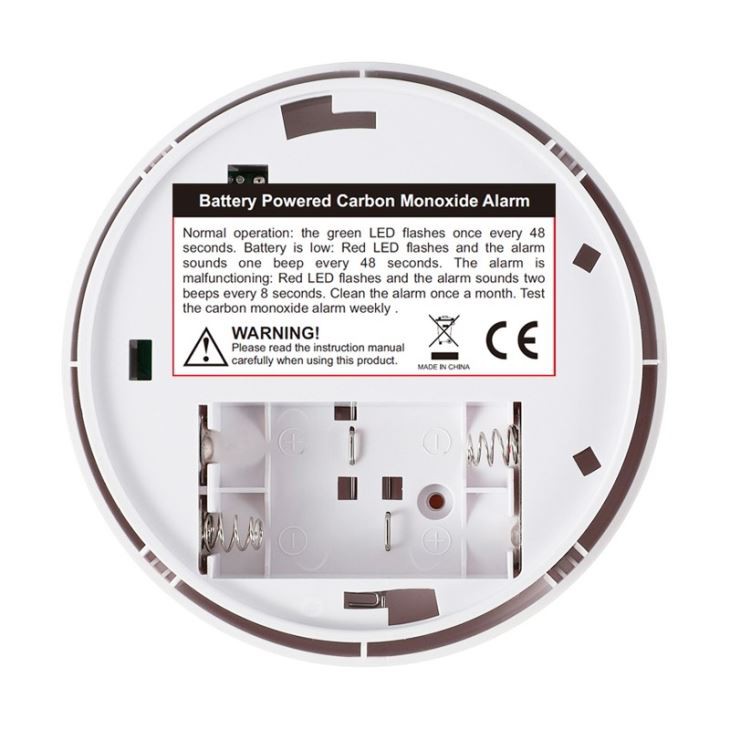
Landlords are typically required to test and maintain CO detectors on a regular basis. This includes testing the alarm function at least once a month and replacing the batteries (if applicable) at least once a year. Detectors should also be replaced every 5-7 years, as recommended by the manufacturer. As a supplier, I provide detailed instructions on testing and maintenance for all of our products, including our Carbon Monoxide Detector Alarm.
Consequences of Non-Compliance
Failure to comply with the legal requirements for bedroom CO detectors in rental properties can have serious consequences for landlords. In addition to putting tenants at risk, landlords may face fines, legal liability, and damage to their reputation. Tenants also have the right to demand that their landlord install CO detectors if they are not already present.
Benefits of Installing CO Detectors in Rental Properties
Installing CO detectors in rental properties not only helps landlords comply with the law but also provides several benefits for both landlords and tenants.
Tenant Safety
The most obvious benefit of CO detectors is that they help protect tenants from the dangers of carbon monoxide. By providing early warning of CO leaks, detectors can give tenants time to evacuate the property and seek medical attention.
Legal Protection
Installing CO detectors can also provide legal protection for landlords. In the event of a CO-related incident, having properly installed and maintained detectors can help demonstrate that the landlord has taken reasonable steps to ensure the safety of their tenants.
Increased Property Value
Rental properties with CO detectors are often more attractive to potential tenants. Tenants are becoming more aware of the importance of safety, and properties that offer CO protection are likely to be more competitive in the rental market.
How to Choose the Right CO Detector for Rental Properties
When choosing a CO detector for rental properties, there are several factors to consider.
Type of Detector
As mentioned earlier, it's important to choose a detector that meets the UL standards. There are two main types of CO detectors: battery-powered and hardwired. Battery-powered detectors are easy to install and can be used in areas where there is no electrical outlet. Hardwired detectors, on the other hand, are connected to the electrical system of the property and typically have a backup battery in case of a power outage.
Features
Some CO detectors come with additional features such as digital displays, memory functions, and remote monitoring. These features can provide additional information and convenience for landlords and tenants.
Cost
The cost of CO detectors can vary depending on the type, features, and brand. It's important to choose a detector that provides good value for money without compromising on quality and performance.
Conclusion
As a supplier of bedroom CO detectors, I understand the importance of providing high-quality products that meet the legal requirements and ensure the safety of rental properties. By installing CO detectors in rental units, landlords can protect their tenants from the dangers of carbon monoxide, comply with the law, and increase the value of their properties. If you're a landlord or property manager in need of CO detectors for your rental properties, I encourage you to contact me to discuss your options. I'm here to help you choose the right detectors for your needs and ensure that they are installed and maintained properly.
References
- National Fire Protection Association (NFPA). (2023). NFPA 72: National Fire Alarm and Signaling Code.
- Underwriters Laboratories (UL). (2023). UL 2034: Single- and Multiple- Station Carbon Monoxide Alarms.
- U.S. Consumer Product Safety Commission (CPSC). (2023). Carbon Monoxide Poisoning Prevention.