

When it comes to fire safety, smoke detectors play a pivotal role in safeguarding lives and property. As a trusted Fire Smoke Detector supplier, I understand the importance of having the right type of smoke detector in place. In this blog post, I will delve into the different types of fire smoke detectors available in the market, their features, and how they can enhance your fire safety measures.
Ionization Smoke Detectors
Ionization smoke detectors are one of the most common types of smoke detectors. They work by using a small amount of radioactive material to ionize the air inside the detector chamber. When smoke enters the chamber, it disrupts the ionization process, causing a change in the electrical current. This change triggers the alarm, alerting you to the presence of smoke.
One of the key advantages of ionization smoke detectors is their ability to detect fast-flaming fires quickly. They are highly sensitive to small smoke particles, making them ideal for detecting fires that start suddenly and spread rapidly. However, they may be more prone to false alarms, especially in areas with high levels of dust, steam, or cooking fumes.
Photoelectric Smoke Detectors
Photoelectric smoke detectors, on the other hand, operate on a different principle. They use a light source and a light sensor to detect smoke. When smoke enters the detector chamber, it scatters the light from the source, causing some of it to reach the light sensor. This change in the amount of light detected triggers the alarm.
Photoelectric smoke detectors are particularly effective at detecting smoldering fires, which produce large amounts of smoke before bursting into flames. They are less likely to produce false alarms in areas with normal levels of dust or steam. However, they may take longer to detect fast-flaming fires compared to ionization smoke detectors. You can explore our Photoelectric Smoke Alarm for a reliable option.
Dual-Sensor Smoke Detectors
To combine the benefits of both ionization and photoelectric technologies, many manufacturers offer dual-sensor smoke detectors. These detectors use both ionization and photoelectric sensors to detect smoke, providing a more comprehensive approach to fire detection.
Dual-sensor smoke detectors are designed to detect both fast-flaming and smoldering fires quickly. They are less likely to produce false alarms compared to single-sensor detectors, making them a popular choice for residential and commercial applications. By using two different detection methods, they can provide an extra layer of protection and peace of mind.
Heat Detectors
In addition to smoke detectors, heat detectors are another important component of a fire safety system. Heat detectors are designed to detect an increase in temperature rather than the presence of smoke. They are typically used in areas where smoke detectors may not be suitable, such as kitchens, garages, or areas with high levels of dust or steam.
There are two main types of heat detectors: fixed-temperature and rate-of-rise heat detectors. Fixed-temperature heat detectors are set to activate at a specific temperature, while rate-of-rise heat detectors are designed to detect a rapid increase in temperature. Heat detectors can provide an early warning of a fire, even in areas where smoke may not be present.
Wireless Smoke Detectors
With the advancement of technology, wireless smoke detectors have become increasingly popular. These detectors use wireless communication to connect to a central monitoring system or other devices, such as smartphones or smart home hubs. They offer several advantages over traditional wired smoke detectors, including easy installation, flexibility, and the ability to monitor multiple detectors from a single location.
Wireless smoke detectors can be installed without the need for complex wiring, making them a convenient option for both new construction and retrofit applications. They can also be easily moved or repositioned if needed. Additionally, many wireless smoke detectors come with features such as battery backup, self-testing, and remote monitoring, providing enhanced functionality and peace of mind.
Interconnected Smoke Detectors
Interconnected smoke detectors are designed to work together to provide a more comprehensive fire detection system. When one detector senses smoke or fire, it sends a signal to all the other interconnected detectors, causing them to sound an alarm simultaneously. This ensures that everyone in the building is alerted to the presence of a fire, even if they are in a different room or area.
Interconnected smoke detectors can be either wired or wireless. Wired interconnected detectors are typically installed during new construction or renovation projects, while wireless interconnected detectors can be easily added to an existing fire safety system. They are an effective way to increase the effectiveness of your smoke detection system and improve the chances of early detection and evacuation in the event of a fire.

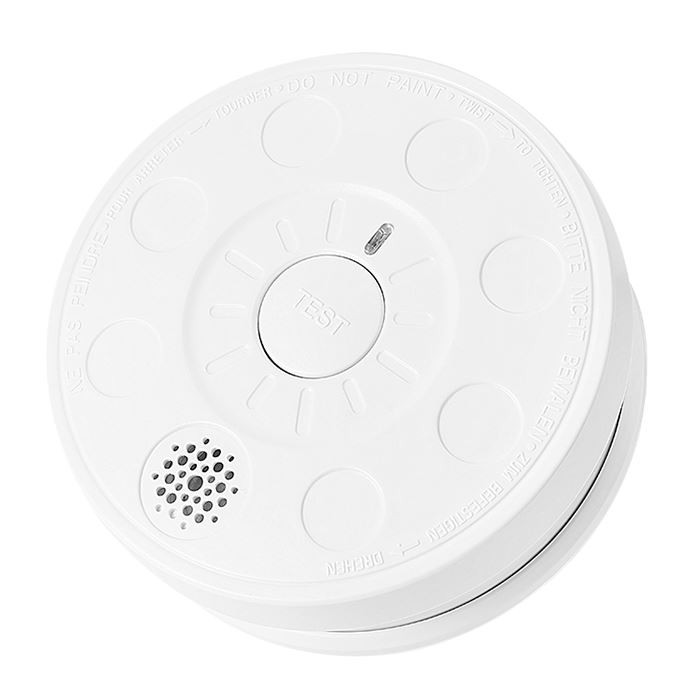
Choosing the Right Smoke Detector
When choosing a smoke detector, it is important to consider several factors, including the type of fire you want to detect, the location of the detector, and any specific requirements or regulations in your area. Here are some tips to help you choose the right smoke detector for your needs:
- Consider the type of fire: As mentioned earlier, different types of smoke detectors are better suited for detecting different types of fires. If you are concerned about fast-flaming fires, an ionization or dual-sensor smoke detector may be a good choice. If you are more worried about smoldering fires, a photoelectric or dual-sensor smoke detector may be more appropriate.
- Evaluate the location: The location of the smoke detector is also important. Smoke detectors should be installed on every level of your home, including the basement and attic, and in each bedroom. They should be placed on the ceiling or high on the wall, at least 4 inches away from any corners or walls. Avoid installing smoke detectors in areas with high levels of dust, steam, or cooking fumes, as this can increase the risk of false alarms.
- Check for certifications: Look for smoke detectors that are certified by a recognized testing laboratory, such as Underwriters Laboratories (UL) or the Canadian Standards Association (CSA). These certifications ensure that the detector meets certain safety and performance standards. You can explore our Certified Smoke Alarm for a reliable and certified option.
- Consider additional features: Some smoke detectors come with additional features, such as battery backup, self-testing, and remote monitoring. These features can provide added convenience and peace of mind. For example, a smoke detector with battery backup will continue to function in the event of a power outage, while a self-testing feature can help ensure that the detector is working properly.
- Follow installation and maintenance instructions: Proper installation and maintenance are crucial for the effective operation of smoke detectors. Make sure to follow the manufacturer's instructions carefully when installing the detector, and test it regularly to ensure that it is working properly. Replace the batteries at least once a year, or as recommended by the manufacturer.
Conclusion
In conclusion, choosing the right type of fire smoke detector is essential for ensuring the safety of your home or business. By understanding the different types of smoke detectors available and their features, you can make an informed decision and select the detector that best meets your needs. Whether you choose an ionization, photoelectric, dual-sensor, heat, wireless, or interconnected smoke detector, make sure to follow the manufacturer's instructions for installation and maintenance to ensure optimal performance.
As a Fire Smoke Detector supplier, we are committed to providing high-quality smoke detectors that meet the highest safety standards. Our MINI Smoke Detector offers a compact and reliable solution for various applications. If you have any questions or need assistance in choosing the right smoke detector for your needs, please do not hesitate to contact us. We are here to help you enhance your fire safety measures and protect what matters most.
References
- National Fire Protection Association (NFPA). (2023). NFPA 72: National Fire Alarm and Signaling Code.
- Underwriters Laboratories (UL). (2023). UL 217: Standard for Single- and Multiple- Station Smoke Alarms.
- Consumer Product Safety Commission (CPSC). (2023). Smoke Alarms: A Consumer Guide.