

Proper disposal of a gas detector is a crucial yet often overlooked aspect of maintaining safety and environmental responsibility. As a gas detector supplier, I understand the significance of not only providing high - quality gas detection equipment but also guiding our customers on the correct way to dispose of these devices when they reach the end of their useful life.
Why Proper Disposal Matters
Gas detectors are sophisticated devices that often contain sensitive electronic components, batteries, and sometimes even small amounts of hazardous materials. Incorrect disposal can lead to environmental pollution, as these components may release harmful substances into the soil, water, or air. For example, batteries in gas detectors may contain heavy metals such as lead, mercury, or cadmium. When these batteries end up in landfills, they can leach into the groundwater, posing a threat to human health and the ecosystem.
Moreover, proper disposal ensures that the data stored in the gas detector, if any, is handled securely. Some advanced gas detectors record gas concentration levels over time, and this data could be sensitive in certain industrial or commercial settings. By disposing of the device properly, we can safeguard this information from unauthorized access.
Understanding the Lifecycle of a Gas Detector
Before discussing disposal methods, it's important to understand the lifecycle of a gas detector. A gas detector typically has a useful lifespan that can vary depending on factors such as usage frequency, environmental conditions, and the quality of the device itself. Most gas detectors need to be calibrated regularly to ensure accurate readings. As the device ages, its sensors may become less accurate and eventually fail. When calibration no longer restores the detector's performance to an acceptable level, it's time to consider replacement.
As a gas detector supplier, we offer high - quality products like the YANJEN Brand Gas Detector. These detectors are designed to have a long and reliable service life, but even the best - made devices will eventually need to be replaced.
Pre - Disposal Steps
Before disposing of a gas detector, there are several steps you should take:
1. Data Backup and Erasure
If your gas detector stores data, make sure to back up any important information. This could be useful for compliance reporting or historical analysis. After backing up the data, follow the manufacturer's instructions to erase all data from the device. This ensures that sensitive information remains secure.
2. Battery Removal
Remove the batteries from the gas detector. Batteries should be disposed of separately according to local regulations. Many areas have specific recycling programs for batteries, as they are considered hazardous waste. By removing the batteries, you reduce the risk of fire or chemical leakage during the disposal process.
3. Cleaning
Clean the gas detector to remove any dirt, dust, or contaminants. This not only makes the disposal process safer but also helps prevent the spread of any potentially harmful substances that may have been detected by the device.
Disposal Methods
Recycling
Recycling is one of the most environmentally friendly ways to dispose of a gas detector. Many electronic recycling facilities accept gas detectors. These facilities have the expertise and equipment to safely disassemble the device and recover valuable materials such as metals and plastics. When you choose to recycle your gas detector, you contribute to the conservation of natural resources and reduce the demand for new raw materials.
To find a local electronic recycling facility, you can check with your city or county waste management department. They often maintain a list of approved recycling centers. Some manufacturers also offer recycling programs for their products. As a gas detector supplier, we encourage our customers to inquire about recycling options when purchasing a new device.
Manufacturer Take - Back Programs
Some gas detector manufacturers offer take - back programs. These programs allow customers to return their old gas detectors to the manufacturer for proper disposal or recycling. The advantage of a manufacturer take - back program is that the manufacturer has in - depth knowledge of the device's components and can ensure that it is disposed of in the most appropriate way.
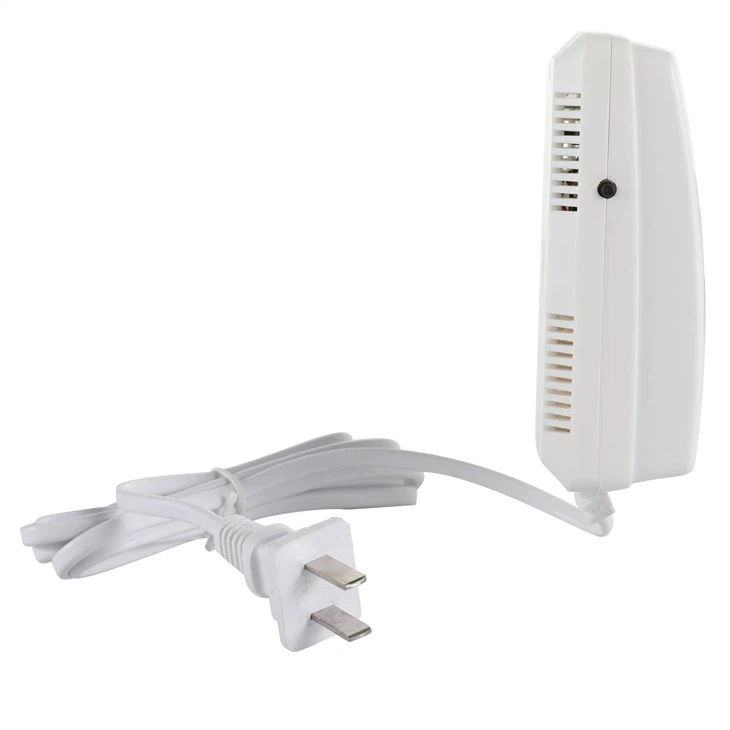
When you purchase a Home Natural Gas Leakage Detector or a Combustible Gas Alarm from us, we can provide information on whether the manufacturer offers a take - back program and how to participate.
Donation
If your gas detector is still in working condition but you no longer need it, consider donating it. There may be non - profit organizations, schools, or community groups that could benefit from a gas detector. Before donating, make sure to test the device to ensure it is functioning properly. Also, provide the recipient with any necessary instructions or manuals.
Legal and Regulatory Considerations
It's essential to be aware of local, state, and federal regulations regarding the disposal of gas detectors. Different regions have different rules about the disposal of electronic waste and hazardous materials. Failure to comply with these regulations can result in fines or other penalties.

For example, some areas may require that gas detectors be disposed of as hazardous waste due to the presence of certain components. In such cases, you may need to use a licensed hazardous waste disposal company. Always check with your local environmental protection agency or waste management authority to understand the specific requirements in your area.
Conclusion
Proper disposal of a gas detector is a responsibility that falls on both the user and the supplier. As a gas detector supplier, we are committed to not only providing high - quality products but also guiding our customers on the correct way to dispose of these devices. By following the steps outlined in this blog, you can ensure that your gas detector is disposed of safely and in an environmentally friendly manner.
If you are in the market for a new gas detector or have questions about the disposal of your old one, we are here to help. Our team of experts can provide you with detailed information about our products and assist you in making the right choice. Contact us to start a procurement discussion and find the best gas detection solution for your needs.
References
- EPA. (n.d.). Electronic Waste. Retrieved from [EPA official website]
- Local waste management guidelines and regulations.