

As a supplier of Fire Detector Alarms, I understand the importance of ensuring these life - saving devices function properly. A false or malfunctioning fire detector alarm can cause unnecessary panic, while a silent detector in case of a real fire can be catastrophic. In this blog, I'll share some effective troubleshooting steps for fire detector alarms.
1. Initial Checks
The first step in troubleshooting a fire detector alarm is to conduct a series of basic checks. Start by visually inspecting the detector. Look for any signs of physical damage such as cracks, dents, or loose parts. A damaged detector may not work correctly and could be the source of the problem.
Next, check the power source. Most fire detectors are either battery - operated or hard - wired into the electrical system. For battery - operated detectors, replace the batteries with fresh ones. Even if the batteries are relatively new, they might be depleted or not properly installed. Make sure the battery contacts are clean and free of corrosion. If the detector is hard - wired, check the circuit breaker or fuse that controls its power. A tripped breaker or blown fuse can cut off power to the detector, causing it to malfunction.
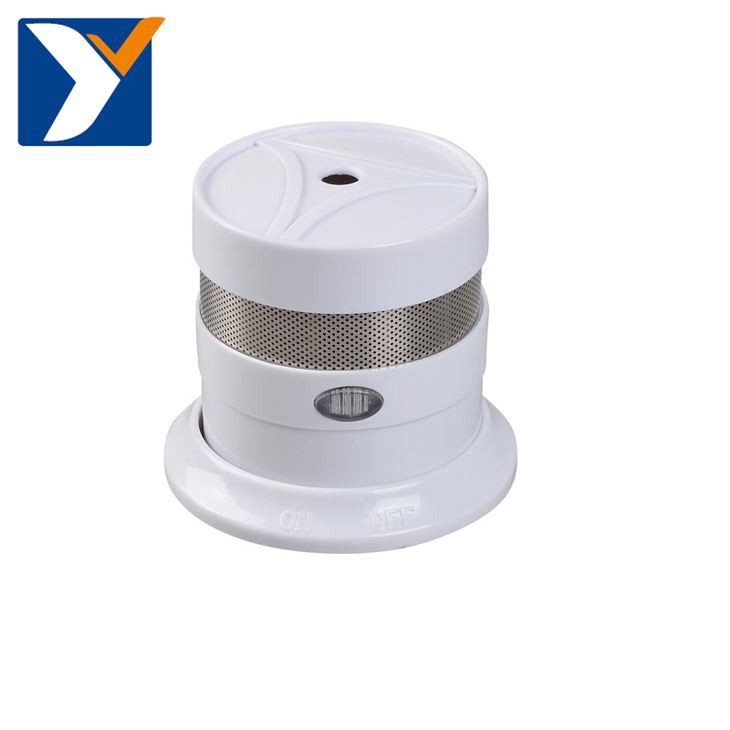

2. Addressing False Alarms
False alarms are a common issue with fire detector alarms. There are several reasons why a false alarm might occur.
Dust and Debris
Dust and debris can accumulate inside the detector over time, triggering false alarms. To clean the detector, first, turn off the power. You can use a can of compressed air to blow out any dust or debris from the vents and the interior of the detector. Be careful not to damage any internal components while doing this. Regular cleaning can prevent false alarms caused by dust buildup.
Steam and Humidity
High levels of steam or humidity can also set off a fire detector alarm. This is especially common in areas near bathrooms or kitchens. If you suspect steam or humidity is the cause, try to improve ventilation in the area. Open windows or use exhaust fans to reduce the moisture in the air. You may also consider relocating the detector to a drier area if possible.
Cooking Fumes
Cooking fumes can trigger smoke detectors, especially if the detector is installed too close to the kitchen. Move the detector at least 10 feet away from cooking appliances to avoid false alarms caused by normal cooking activities.
3. Testing the Detector
After performing the initial checks and addressing potential causes of false alarms, it's important to test the detector to ensure it's working properly. Most fire detectors have a test button. Press and hold the test button for a few seconds. If the alarm sounds, it indicates that the detector is functioning correctly. If the alarm doesn't sound, there may be a more serious problem.
If the test fails, double - check the power source and the battery (if applicable). If the problem persists, the detector may be defective and need to be replaced. You can refer to our Residential Fire Detector for high - quality replacement options.
4. Checking the Interconnection
Many modern fire detector alarms are interconnected, which means that if one detector goes off, all the interconnected detectors in the house will sound. If only one detector is malfunctioning while the others are working fine, the problem may be with the interconnection.
Check the wiring connections between the detectors. Make sure all the wires are securely plugged in and there are no signs of damage or fraying. If you're not comfortable working with electrical wiring, it's best to consult a professional electrician.
5. Software and Firmware Updates
Some advanced fire detector alarms have software or firmware that can be updated. Outdated software can cause the detector to malfunction. Check the manufacturer's website for any available updates for your specific detector model. Follow the instructions carefully to update the software or firmware. This can often resolve issues related to false alarms or other malfunctions.
6. Age and Wear
Fire detector alarms have a limited lifespan. Over time, the components inside the detector can wear out, reducing its effectiveness. Most detectors should be replaced every 10 years. If your detector is approaching or has exceeded this age, it's time to replace it. Our 10 Year Smoke Detector and 10 Year Smoke Alarm are reliable options that offer long - term protection.
7. Professional Inspection
If you've tried all the above troubleshooting steps and the problem still persists, it's advisable to have a professional inspect the fire detector alarm. A qualified technician can use specialized tools to diagnose the problem accurately. They can also perform a more in - depth inspection of the electrical system and the detector's components.
Contact for Purchase and Consultation
If you're experiencing issues with your fire detector alarms or are looking to purchase new ones, we're here to help. Our team of experts can provide you with the best advice on choosing the right fire detector alarms for your needs. Whether it's a residential or commercial property, we have a wide range of high - quality products to ensure your safety. Don't hesitate to reach out to us for more information and to start a purchase negotiation.
References
- National Fire Protection Association (NFPA). Fire Alarm and Signaling Systems Handbook.
- Manufacturer's manuals for various fire detector alarm models.