

Hey there! If you're here, you're probably on the hunt for the right Personal CO Alarm to fit your needs. Well, you've come to the right place. I'm in the business of supplying these life - saving devices, and I'm gonna share some tips to help you make the best choice.
First off, let's talk about what a Personal CO Alarm is and why you need one. Carbon monoxide (CO) is a colorless, odorless, and tasteless gas that can be extremely dangerous. It's produced by the incomplete burning of fuels like gas, oil, coal, and wood. When you breathe in CO, it replaces the oxygen in your blood, which can lead to headaches, dizziness, nausea, and in severe cases, even death. A Personal CO Alarm is a small, portable device that can detect CO levels in the air and alert you when they get too high.
Factors to Consider When Choosing a Personal CO Alarm
1. Sensitivity
The sensitivity of a CO alarm is crucial. You want an alarm that can detect low levels of CO early on. Some alarms are designed to detect CO at very low concentrations, like 10 parts per million (ppm). This early detection can give you more time to react and get to safety. Look for alarms that meet or exceed industry standards for sensitivity. For example, the Carbon Monoxide Detector Alarm we offer has high - end sensors that can pick up even the slightest traces of CO.
2. Battery Life
Battery life is another important factor. You don't want your alarm to die on you when you need it most. Some Personal CO Alarms run on disposable batteries, while others have rechargeable ones. Disposable batteries are convenient as you can easily replace them, but you need to keep spares on hand. Rechargeable batteries, on the other hand, are more eco - friendly and can save you money in the long run. Our Newest Design Co Gas Alarm With Battery has a long - lasting battery that can provide continuous protection for days on a single charge.
3. Alarm Type
There are different types of alarms. The most common ones are audible alarms, which emit a loud beeping sound when CO is detected. Some alarms also have visual indicators, like flashing lights, which can be useful for people with hearing impairments. There are even some advanced alarms that can connect to your smartphone via Bluetooth and send you notifications. This is great if you're not in the immediate vicinity of the alarm.
4. Size and Portability
Since it's a personal alarm, you'll want it to be small and easy to carry around. You might want to take it with you when you're camping, traveling in an RV, or working in a garage. A compact and lightweight alarm is more likely to be with you all the time, ensuring your safety wherever you go. Our alarms are designed with portability in mind, so you can slip them into your pocket or attach them to your belt without any hassle.
5. Durability
You need an alarm that can withstand the wear and tear of daily use. It should be able to handle being bumped around, exposed to different temperatures, and even a little bit of moisture. Look for alarms that are made from high - quality materials and have a sturdy construction.
6. Price
Price is always a consideration. You don't want to overspend, but at the same time, you don't want to compromise on quality. There are alarms available at different price points. You can find basic models that offer the essential features at a lower cost, or you can go for more advanced models with additional features if your budget allows.
Where to Use Personal CO Alarms
Personal CO Alarms are versatile and can be used in various settings.
Home Use
In your home, you can place the alarm near your sleeping area, like your bedroom. This way, you'll be alerted if there's a CO leak while you're sleeping. You can also carry it around the house to check different areas, especially near appliances that use fuel, such as your furnace, water heater, or stove. The Carbon Monoxide Detector Home is specifically designed for home use, providing reliable protection for you and your family.
Outdoor Use
When you're camping, the alarm can be a lifesaver. Camp stoves, generators, and even charcoal grills can produce CO. By having a Personal CO Alarm with you, you can ensure that you're safe while enjoying the great outdoors. Similarly, if you're traveling in an RV, where there are multiple fuel - burning appliances, the alarm can keep you protected.
Workplace Use
In some workplaces, like garages, factories, or construction sites, there's a risk of CO exposure. Workers can carry Personal CO Alarms to monitor the air quality and stay safe on the job.
How to Test Your Personal CO Alarm
Once you've chosen and installed your Personal CO Alarm, it's important to test it regularly. Most alarms have a test button that you can press. When you press the test button, the alarm should emit a loud beep or show a visual indication. If the alarm doesn't work when you test it, it might be time to replace the batteries or the alarm itself.
Why Choose Our Personal CO Alarms
As a supplier, we take pride in offering high - quality Personal CO Alarms. Our alarms are rigorously tested to ensure they meet the highest safety standards. We offer a wide range of models to suit different needs and budgets. Whether you're looking for a basic, affordable alarm or a high - tech model with all the bells and whistles, we've got you covered.
Our customer service team is always ready to help you with any questions you might have. We can provide you with detailed information about our products, help you choose the right alarm for your needs, and assist you with any after - sales support.
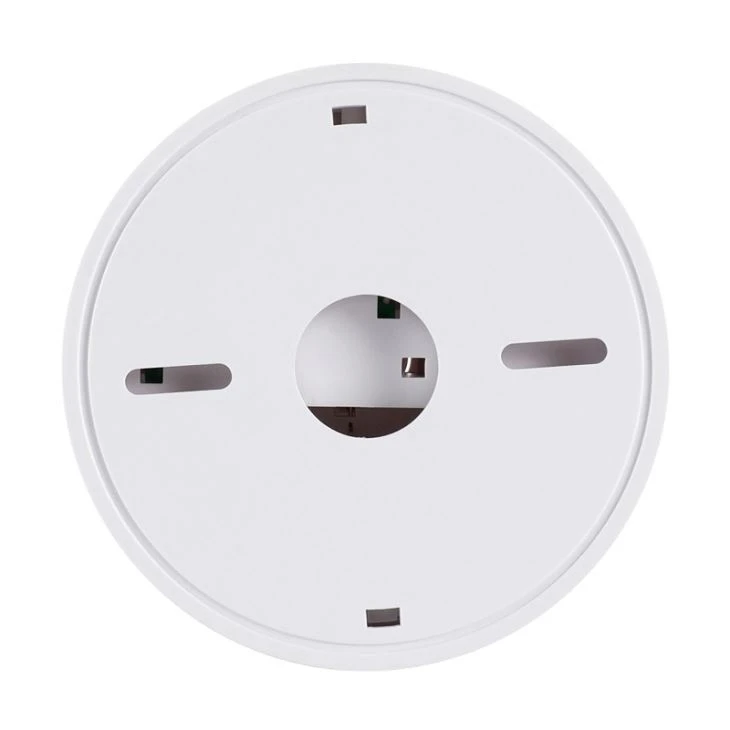

If you're interested in purchasing Personal CO Alarms for your home, workplace, or any other use, we'd love to hear from you. Contact us to discuss your requirements and get a quote. We're committed to providing you with the best products and services to keep you and your loved ones safe from the dangers of carbon monoxide.
References
- National Fire Protection Association (NFPA). Carbon Monoxide Safety.
- U.S. Consumer Product Safety Commission (CPSC). Carbon Monoxide Poisoning Prevention.