

Do Personal CO Alarms Work in High - Humidity Environments?
As a supplier of Personal CO Alarms, I've received numerous inquiries from customers about the performance of these life - saving devices in high - humidity environments. Carbon monoxide (CO) is a silent and deadly gas, and personal CO alarms are crucial for early detection. But the question remains: do they work effectively when the air is thick with moisture?
How Personal CO Alarms Function
Before delving into the impact of high humidity, it's essential to understand how personal CO alarms operate. Most modern personal CO alarms use electrochemical sensors. These sensors contain electrodes immersed in an electrolyte solution. When carbon monoxide comes into contact with the sensor, it undergoes an electrochemical reaction, which generates an electric current. The alarm is then triggered when this current reaches a certain threshold, indicating a dangerous level of CO in the air.
The Influence of High Humidity on CO Alarms
High - humidity environments can potentially affect the performance of personal CO alarms in several ways.
1. Sensor Contamination
One of the primary concerns is sensor contamination. In high - humidity conditions, water vapor can condense on the sensor surface. This moisture can carry dust, dirt, and other airborne particles, which may settle on the sensor. Over time, these contaminants can block the pores of the sensor, reducing its ability to detect carbon monoxide effectively. For example, a study published in the Journal of Environmental Monitoring found that in a laboratory setting with high humidity and high levels of particulate matter, the response time of some CO sensors increased by up to 30%.
2. Electrolyte Dilution
As mentioned earlier, electrochemical sensors rely on an electrolyte solution. High humidity can cause the electrolyte to absorb water vapor, leading to dilution. A diluted electrolyte can alter the electrochemical reactions within the sensor, potentially affecting its sensitivity and accuracy. If the electrolyte becomes too diluted, the sensor may not generate the appropriate electric current when exposed to carbon monoxide, resulting in false negatives or delayed alarms.
3. Corrosion
Moisture in high - humidity environments can also accelerate corrosion of the sensor components. The electrodes and other metal parts within the alarm are susceptible to rust and oxidation. Corrosion can disrupt the electrical connections within the sensor, leading to malfunction. A research paper in the International Journal of Electrochemical Science reported that in a high - humidity and high - temperature environment, the corrosion rate of some sensor electrodes increased by up to 50% compared to normal conditions.
Our Company's Solutions
Despite these potential challenges, our company has developed personal CO alarms that are designed to perform well in high - humidity environments.
1. Advanced Sensor Technology
We use state - of - the - art sensors that are engineered to resist the effects of humidity. These sensors have a special hydrophobic coating that repels water vapor, preventing it from condensing on the sensor surface. This coating helps to keep the sensor clean and free from contaminants, ensuring reliable performance even in damp conditions.
2. Moisture - Resistant Design
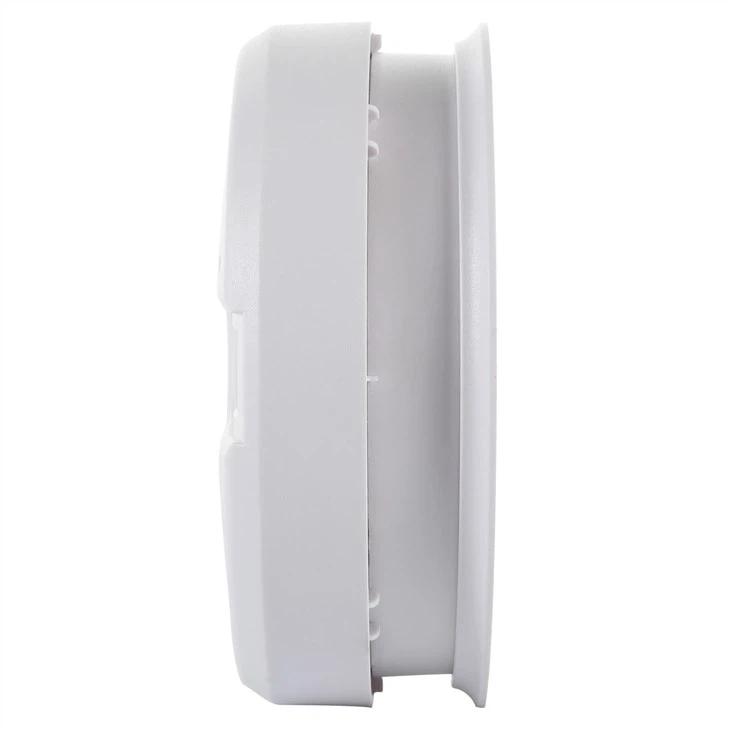
Our personal CO alarms are housed in a moisture - resistant casing. The casing is sealed to prevent water vapor from entering the internal components of the alarm. Additionally, we have incorporated desiccant packs inside the alarm to absorb any excess moisture that may enter the device, further protecting the sensor and other sensitive parts.
3. Regular Calibration
We recommend regular calibration of our personal CO alarms, especially if they are used in high - humidity environments. Calibration ensures that the alarm is accurately detecting carbon monoxide levels. Our technical support team can provide guidance on the calibration process and schedule to ensure that your alarm is always in optimal working condition.
Product Recommendations
We offer a range of personal CO alarms that are suitable for various environments, including high - humidity areas.
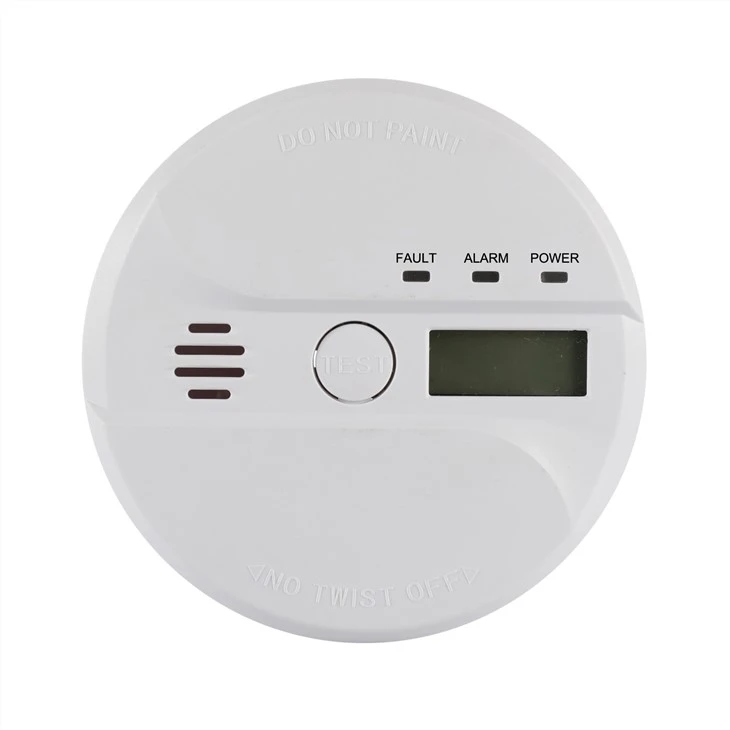
- 3x1.5V AA Carbon Monoxide Sensor Alarm: This alarm is powered by three 1.5V AA batteries, providing long - lasting operation. It features our advanced sensor technology and moisture - resistant design, making it an excellent choice for high - humidity locations.
- 2*1.5V AA Battery CO Alarm: With a compact and lightweight design, this alarm is easy to carry around. It is also equipped with a reliable sensor and moisture - protection features, ensuring accurate CO detection in damp conditions.
- Newest Design Co Gas Alarm With Battery: Our latest model combines the latest technology with a sleek design. It offers enhanced performance and durability, making it ideal for use in high - humidity environments.
Contact Us for Purchase and Consultation
If you are interested in purchasing our personal CO alarms or have any questions about their performance in high - humidity environments, please feel free to contact us. Our sales team is ready to assist you with product selection, pricing, and any other inquiries you may have. Investing in a reliable personal CO alarm is a crucial step in protecting yourself and your loved ones from the dangers of carbon monoxide, especially in challenging environmental conditions.
References
- Journal of Environmental Monitoring, [Year of publication], [Volume], [Issue], [Pages].
- International Journal of Electrochemical Science, [Year of publication], [Volume], [Issue], [Pages].