

As a well - established supplier of smoke detector alarms, I often encounter customers asking whether they can use rechargeable batteries in their smoke detector alarms. This is a question that not only reflects the users' concern about cost - effectiveness and environmental friendliness but also touches on the crucial issue of the safety and reliability of smoke detector alarms. In this blog, I'll explore this topic in detail from multiple perspectives.
Understanding Smoke Detector Alarms
Before delving into the battery issue, it's essential to understand how smoke detector alarms work. There are mainly two types of smoke detectors: ionization and photoelectric. Ionization smoke detectors use a small amount of radioactive material to ionize the air inside the detector. When smoke enters, it disrupts the ionization process, triggering the alarm. Photoelectric smoke detectors, on the other hand, use a light source and a light sensor. When smoke enters the chamber, it scatters the light onto the sensor, which then activates the alarm.
Both types of detectors require a stable power source to function properly. A sudden power failure or inconsistent power supply can render the detector useless, potentially putting lives and property at risk.
Characteristics of Rechargeable Batteries
Rechargeable batteries, such as nickel - metal hydride (NiMH) and lithium - ion (Li - ion) batteries, have become increasingly popular in recent years. They offer several advantages over traditional disposable batteries. Firstly, they are more cost - effective in the long run. Instead of constantly buying new disposable batteries, you can recharge the same set multiple times. Secondly, they are more environmentally friendly as they reduce the amount of battery waste.
However, rechargeable batteries also have some drawbacks. Their voltage output can be different from that of disposable batteries. For example, a standard disposable alkaline 9V battery typically has a relatively stable voltage output around 9V until it is nearly depleted. In contrast, rechargeable 9V NiMH batteries may start at a slightly lower voltage and may not maintain a constant voltage throughout their discharge cycle.
Compatibility of Rechargeable Batteries with Smoke Detector Alarms
The compatibility of rechargeable batteries with smoke detector alarms depends on several factors.
Voltage Requirements
Most smoke detector alarms are designed to operate within a specific voltage range. If the voltage provided by the rechargeable battery is too low, the alarm may not function correctly or may not activate at all. Some older or less sophisticated smoke detectors may have a narrow voltage tolerance, making them less compatible with rechargeable batteries. Newer models, however, are often designed to be more flexible in terms of voltage input.
Self - Discharge Rate
Rechargeable batteries have a self - discharge rate, which means they lose their charge over time even when not in use. This can be a significant issue for smoke detector alarms, which need to be operational 24/7. If the self - discharge rate is too high, the battery may run out of power before you have a chance to recharge it, leaving the alarm inoperable.
Battery Life and Performance
The life and performance of rechargeable batteries can also vary depending on usage and charging patterns. Frequent charging and discharging can reduce the overall lifespan of the battery. In a smoke detector alarm, where the battery needs to be reliable for an extended period, a short - lived battery can be a major concern.
Advantages of Using Rechargeable Batteries in Smoke Detector Alarms
Despite the potential challenges, there are some advantages to using rechargeable batteries in smoke detector alarms.
Cost Savings
As mentioned earlier, rechargeable batteries can save you money in the long term. Instead of spending money on disposable batteries every few months, you can invest in a set of rechargeable batteries and a charger. This can be especially beneficial for households or commercial buildings with multiple smoke detector alarms.
Environmental Benefits
Using rechargeable batteries reduces the amount of battery waste that ends up in landfills. This is an important consideration for those who are environmentally conscious.
Disadvantages of Using Rechargeable Batteries in Smoke Detector Alarms
However, there are also some significant disadvantages that need to be considered.
Unreliable Performance
The inconsistent voltage output and self - discharge rate of rechargeable batteries can lead to unreliable performance of the smoke detector alarm. In a real - life fire situation, an unreliable alarm can have catastrophic consequences.
Safety Concerns
Some rechargeable batteries, especially lithium - ion batteries, can pose safety risks if they are not properly handled or if they are of poor quality. Overheating, short - circuits, and even explosions are possible, although these incidents are relatively rare.
Recommendations
Based on the above analysis, here are my recommendations for using rechargeable batteries in smoke detector alarms.
Check the Manufacturer's Instructions
Before using rechargeable batteries in your smoke detector alarm, always check the manufacturer's instructions. Some manufacturers explicitly state whether rechargeable batteries are compatible with their products. If the manufacturer does not recommend using rechargeable batteries, it's best to follow their advice.
Choose High - Quality Rechargeable Batteries
If you decide to use rechargeable batteries, choose high - quality ones from reputable brands. High - quality batteries are more likely to have a stable voltage output and a lower self - discharge rate.
Regularly Monitor the Battery Status
Regardless of whether you use rechargeable or disposable batteries, it's important to regularly monitor the battery status of your smoke detector alarms. Check the battery level indicator (if available) and test the alarm regularly to ensure it is working properly.

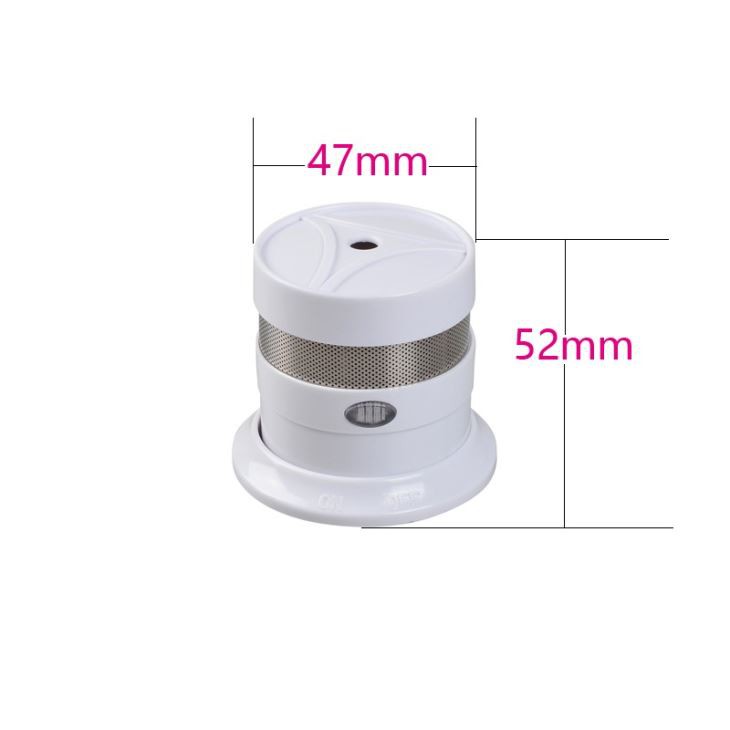
Our Product Range
As a smoke detector alarm supplier, we offer a wide range of products to meet different needs. Our 10 Year Smoke Alarm is designed for long - term use with minimal maintenance. It uses high - quality batteries that can last up to 10 years, eliminating the need for frequent battery changes.
Our Residential Fire Detector is specifically designed for home use. It provides reliable protection against fires and is easy to install.
For those who prefer the flexibility of 9V batteries, we have the 9V Battery Smoke Detector. This detector can be powered by either disposable or rechargeable 9V batteries, giving you the option to choose based on your preferences.
Conclusion
In conclusion, while it is possible to use rechargeable batteries in smoke detector alarms, it is not without risks. The inconsistent voltage output, self - discharge rate, and potential safety concerns of rechargeable batteries need to be carefully considered. If you choose to use rechargeable batteries, make sure to follow the manufacturer's instructions, choose high - quality batteries, and regularly monitor the battery status.
If you are interested in purchasing our high - quality smoke detector alarms or have any questions about battery compatibility, please feel free to contact us for further discussion and procurement negotiation. We are committed to providing you with the best products and services to ensure the safety of your home or business.
References
- National Fire Protection Association (NFPA). "NFPA 72: National Fire Alarm and Signaling Code."
- Battery University. Various articles on battery characteristics and performance.
- Manufacturers' product manuals and technical specifications for smoke detector alarms and rechargeable batteries.