

Can an LPG gas leak detector be used in industrial settings?
As a supplier of LPG gas leak detectors, I often receive inquiries about the suitability of our products for industrial applications. In this blog post, I will delve into the question of whether an LPG gas leak detector can be used in industrial settings, exploring the unique requirements of industrial environments, the capabilities of our detectors, and the considerations that need to be taken into account.
Understanding Industrial Environments
Industrial settings are characterized by their complexity and diversity. They can range from large manufacturing plants and refineries to small workshops and warehouses. Each industrial environment has its own set of hazards and challenges, which must be carefully considered when selecting a gas leak detector.
One of the primary concerns in industrial settings is the presence of multiple types of gases. In addition to LPG, industrial processes may involve the use of other flammable, toxic, or corrosive gases. Therefore, a gas leak detector used in an industrial environment must be capable of detecting a wide range of gases accurately and reliably.
Another important factor is the size and layout of the industrial facility. Large industrial plants may cover vast areas, making it necessary to install multiple gas leak detectors to ensure comprehensive coverage. The detectors must also be able to communicate effectively with a central monitoring system to provide real-time information about gas leaks.
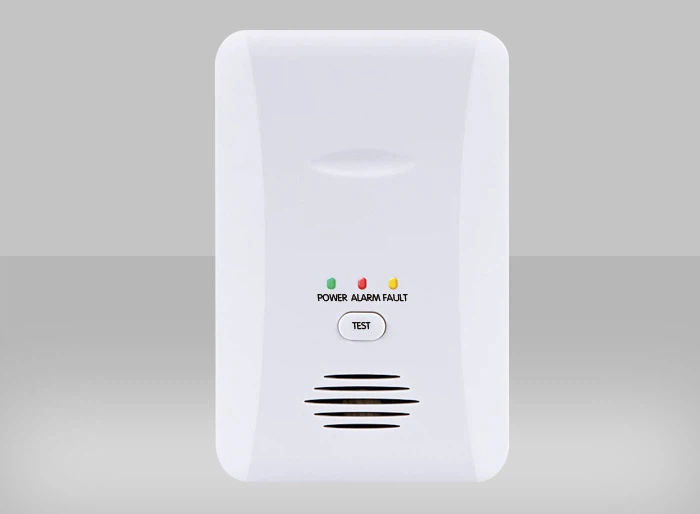

Industrial environments are also subject to harsh conditions, such as high temperatures, humidity, dust, and vibrations. These conditions can affect the performance and reliability of gas leak detectors. Therefore, the detectors must be rugged and durable enough to withstand these environmental factors.
Capabilities of LPG Gas Leak Detectors
Our LPG gas leak detectors are designed to meet the demanding requirements of industrial settings. They are equipped with advanced sensors that can detect LPG and other common industrial gases with high sensitivity and accuracy. The detectors can be configured to detect specific gases or a combination of gases, depending on the needs of the industrial facility.
One of the key features of our LPG gas leak detectors is their ability to provide early warning of gas leaks. The detectors are programmed to trigger an alarm when the gas concentration reaches a pre-set threshold. This allows for prompt action to be taken to prevent potential hazards, such as explosions, fires, or toxic exposures.
In addition to providing early warning, our LPG gas leak detectors also offer continuous monitoring and data logging capabilities. The detectors can record gas concentration levels over time, which can be used for analysis and compliance purposes. The data can also be transmitted to a central monitoring system via wired or wireless communication protocols, allowing for remote monitoring and control.
Our LPG gas leak detectors are also designed to be easy to install and maintain. They come with clear instructions and user-friendly interfaces, making it easy for industrial personnel to operate and configure the detectors. The detectors also require minimal maintenance, with regular calibration and sensor replacement being the main maintenance tasks.
Considerations for Using LPG Gas Leak Detectors in Industrial Settings
While our LPG gas leak detectors are suitable for use in industrial settings, there are several considerations that need to be taken into account to ensure their effective and safe operation.
One of the most important considerations is the proper placement of the gas leak detectors. The detectors should be installed in areas where gas leaks are most likely to occur, such as near storage tanks, pipelines, and equipment. They should also be installed at the appropriate height and distance from potential sources of gas leaks to ensure accurate detection.
Another consideration is the compatibility of the gas leak detectors with the industrial environment. The detectors should be selected based on the specific requirements of the industrial facility, such as the type of gases present, the environmental conditions, and the communication protocols used. The detectors should also be installed and maintained in accordance with the manufacturer's instructions to ensure their proper operation.
It is also important to train industrial personnel on the proper use and maintenance of the gas leak detectors. The personnel should be familiar with the operation of the detectors, including how to read the displays, how to set the alarm thresholds, and how to perform basic maintenance tasks. They should also be aware of the potential hazards associated with gas leaks and the appropriate safety procedures to follow in the event of a gas leak.
Conclusion
In conclusion, our LPG gas leak detectors can be used in industrial settings to provide reliable and effective gas leak detection. They are equipped with advanced sensors, early warning capabilities, continuous monitoring and data logging features, and are designed to be easy to install and maintain. However, it is important to consider the unique requirements of industrial environments and to take the necessary precautions to ensure the proper use and maintenance of the detectors.
If you are interested in learning more about our LPG gas leak detectors or have any questions about their suitability for your industrial facility, please contact us for more information. We would be happy to discuss your specific needs and provide you with a customized solution.
References
- "Industrial Gas Detection Systems: A Guide to Selection and Installation." International Society of Automation (ISA), 2018.
- "Safety Standards for Gas Detection Equipment." Occupational Safety and Health Administration (OSHA), 2019.
- "Gas Detection Technology: Principles and Applications." John Wiley & Sons, 2017.