

Can a Fire Detector Alarm be Used in an RV?
As a supplier of fire detector alarms, I often receive inquiries from RV owners about the feasibility and suitability of using our fire detection products in their recreational vehicles. This blog aims to provide a comprehensive analysis of the use of fire detector alarms in RVs, discussing the benefits, considerations, and recommended products.
Why Fire Detector Alarms are Necessary in RVs
RVs are a popular way to travel and experience the great outdoors. However, they come with their own set of fire risks. Cooking, heating systems, electrical appliances, and candles are all potential sources of fire in an RV. A small fire can quickly spread in the confined space of an RV, endangering the lives of the occupants and causing significant damage to the vehicle.
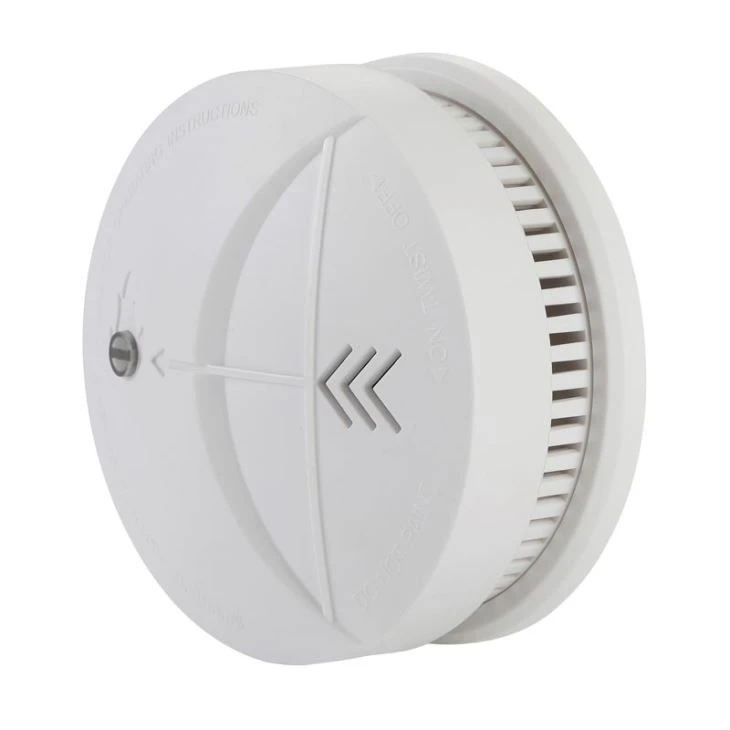

A fire detector alarm can be a lifesaver in an RV. It can detect the presence of smoke or fire at an early stage and alert the occupants, giving them enough time to evacuate safely. In addition to saving lives, a fire detector alarm can also help prevent property damage by allowing the occupants to take action before the fire gets out of control.
Types of Fire Detector Alarms Suitable for RVs
There are several types of fire detector alarms available on the market, each with its own advantages and disadvantages. The most common types of fire detector alarms for RVs include photoelectric smoke detectors and ionization smoke detectors.
- Photoelectric Smoke Detectors: Photoelectric smoke detectors are more sensitive to smoldering fires, which are common in RVs due to faulty electrical wiring or overheating appliances. These detectors work by using a light source and a light sensor. When smoke enters the chamber, it scatters the light, causing the sensor to detect the change in light intensity and trigger the alarm. A Photoelectric Smoke Detector is a great choice for RVs as it can provide early warning of slow-burning fires.
- Ionization Smoke Detectors: Ionization smoke detectors are more sensitive to fast-flaming fires. They use a small amount of radioactive material to ionize the air inside the chamber. When smoke enters the chamber, it disrupts the flow of ions, causing the alarm to sound. While ionization smoke detectors are effective at detecting fast fires, they may be less sensitive to smoldering fires compared to photoelectric smoke detectors.
- Combination Detectors: Some fire detector alarms combine both photoelectric and ionization technologies to provide comprehensive protection against both smoldering and fast-flaming fires. These combination detectors offer the best of both worlds and are a popular choice for RV owners.
Considerations for Using Fire Detector Alarms in RVs
When using a fire detector alarm in an RV, there are several important considerations to keep in mind:
- Power Source: RVs typically run on a combination of battery power, shore power, and generator power. It is important to choose a fire detector alarm that is compatible with the power sources available in your RV. Some fire detector alarms are designed to run on batteries, while others can be hardwired into the RV's electrical system. A Smoke Alarm 10 Year Battery can be a convenient option as it eliminates the need for frequent battery changes.
- Installation Location: The location of the fire detector alarm is crucial for its effectiveness. It should be installed in a central location in the RV, away from areas where smoke may be blocked, such as behind curtains or furniture. It is also recommended to install multiple fire detector alarms in different areas of the RV, such as in the sleeping area, kitchen, and living area, to ensure comprehensive coverage.
- Maintenance: Regular maintenance of the fire detector alarm is essential to ensure its proper functioning. This includes testing the alarm monthly, cleaning it regularly to remove dust and debris, and replacing the batteries as needed. It is also important to follow the manufacturer's instructions for maintenance and replacement.
- Vibration and Movement: RVs are subject to vibration and movement while in transit. This can potentially affect the performance of the fire detector alarm. It is important to choose a fire detector alarm that is designed to withstand vibration and movement and is securely installed in the RV.
Recommended Fire Detector Alarms for RVs
As a fire detector alarm supplier, I recommend the following products for use in RVs:
- Photoelectric Smoke Detector: This high-quality photoelectric smoke detector is designed to provide early warning of smoldering fires. It is easy to install and comes with a long-lasting battery, making it a great choice for RVs.
- Smoke Alarm 10 Year Battery: This smoke alarm is powered by a 10-year battery, eliminating the need for frequent battery changes. It is suitable for both smoldering and fast-flaming fires and is designed to withstand the vibration and movement of an RV.
- Fire Alarm Detector: This advanced fire alarm detector combines photoelectric and ionization technologies to provide comprehensive protection against all types of fires. It is easy to install and has a built-in test button for convenient testing.
Conclusion
In conclusion, a fire detector alarm is a must-have safety device for any RV. It can provide early warning of a fire, allowing the occupants to evacuate safely and prevent property damage. When choosing a fire detector alarm for your RV, it is important to consider the type of detector, power source, installation location, maintenance requirements, and vibration resistance.
As a fire detector alarm supplier, we are committed to providing high-quality, reliable fire detection products for RV owners. Our products are designed to meet the specific needs of RVs and provide peace of mind for your travels. If you are interested in purchasing a fire detector alarm for your RV or have any questions about our products, please feel free to contact us for a procurement discussion. We look forward to helping you keep your RV and your loved ones safe.
References
- National Fire Protection Association (NFPA). NFPA 72: National Fire Alarm and Signaling Code
- RVIA (Recreational Vehicle Industry Association). RV Fire Safety Guidelines