

Can a Battery CO Alarm be used in a garage?
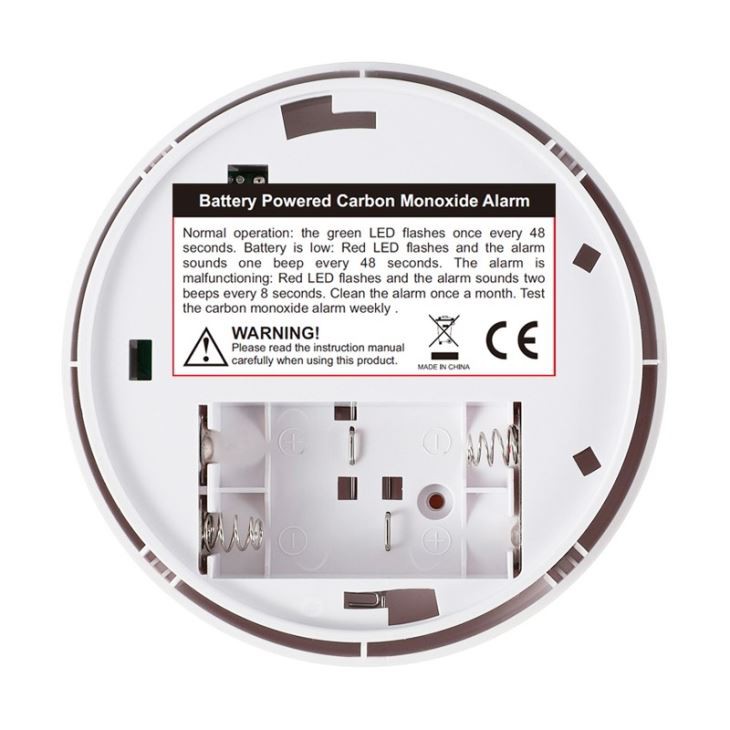
Many homeowners and business owners are constantly seeking ways to enhance safety in their premises, especially in areas prone to carbon monoxide (CO) buildup. One common question that frequently arises is whether a battery - operated carbon monoxide alarm can be used in a garage. As a supplier of [link text="Battery Operated Carbon Monoxide Alarm" url="/carbon-monoxide-detector/battery-operated-carbon-monoxide-alarm.html"], I'm here to explore this topic in depth and provide well - informed advice.
Understanding Carbon Monoxide in Garages
Garages are high - risk areas for carbon monoxide accumulation. The primary sources of CO in a garage are vehicles. When cars, trucks, motorcycles, or other gasoline - or diesel - powered vehicles are running, they produce exhaust gases that contain carbon monoxide. Even a short period of idling a vehicle in a closed garage can lead to a dangerous buildup of CO.
In addition to vehicles, other sources in the garage such as gas - powered lawn mowers, generators, or other small engines can also emit carbon monoxide. These tools are often used and stored in the garage, further increasing the risk of CO exposure.
Carbon monoxide is a colorless, odorless, and tasteless gas. This makes it extremely difficult to detect without the help of a proper device. Exposure to high levels of CO can lead to headaches, dizziness, nausea, confusion, and in severe cases, even death. Therefore, having a reliable CO alarm is crucial for anyone who uses or has access to a garage.
Advantages of Using a Battery CO Alarm in a Garage
- Portability: Battery - operated CO alarms are highly portable. If you have a detached garage or use multiple garages, you can easily move the alarm from one location to another as needed. This flexibility is especially useful for those who may need to access different storage areas or workspaces in different garages.
- No need for wiring: Unlike hard - wired CO alarms, battery - powered ones do not require any complex wiring installation. This is particularly beneficial in garages, where electrical wiring may not be as readily available or may be difficult to access. You can simply place or mount the alarm in the desired location, and it will start working immediately.
- Backup during power outages: Garages are often subject to power outages, especially if there are electrical issues in the neighborhood or due to extreme weather conditions. A battery CO alarm will continue to function even when the power is out, providing continuous protection against CO exposure.
Considerations and Limitations
- Battery life: One of the main considerations when using a battery CO alarm in a garage is the battery life. In a garage environment, the alarm may be exposed to more extreme temperatures, which can affect battery performance. Cold temperatures can reduce the battery's capacity, while high temperatures can cause the battery to degrade more quickly. Regularly checking and replacing the batteries is essential to ensure the alarm's reliability.
- Temperature and humidity: Extreme temperature and humidity levels in a garage can also impact the performance of the CO alarm. Most CO alarms are designed to operate within a specific temperature and humidity range. If the garage environment falls outside this range, the alarm may give false readings or malfunction. It's important to choose a battery CO alarm that is suitable for the temperature and humidity conditions in your garage.
- Air circulation: Proper air circulation is necessary for a CO alarm to accurately detect carbon monoxide. In a garage, poor air circulation can lead to pockets of CO gas that the alarm may not be able to detect efficiently. To address this, it's recommended to install the alarm in an area with good air movement, such as near the ceiling on a wall.
Installation and Placement
When installing a battery CO alarm in a garage, several factors should be considered for optimal performance.
- Height: Mount the alarm at least 5 feet above the floor. Carbon monoxide is slightly lighter than air, so placing the alarm higher up allows it to detect CO more effectively as it rises.
- Location: Avoid placing the alarm near vents, chimneys, or areas where the air may be disrupted. This can prevent false alarms and ensure that the alarm can accurately detect CO in the overall garage environment.
- Multiple alarms: For larger garages or those with multiple storage areas, it may be necessary to install multiple battery CO alarms to ensure comprehensive coverage.
Comparison with Other Types of CO Alarms
- Hard - wired CO alarms: Hard - wired CO alarms are connected to the electrical system of your home or building. They typically offer a more stable power source and may be more suitable for long - term, continuous monitoring. However, they require professional installation and may not function during power outages. In contrast, battery CO alarms are more flexible and can provide protection even when the power is off.
- Plug - in CO alarms: Plug - in CO alarms are easy to install and can be plugged into an electrical outlet. But like hard - wired alarms, they rely on a continuous power supply. They may not be the best option for a garage where power outages are common or where there may not be a convenient outlet nearby.
Importance of Quality and Reliability
As a [link text="Battery CO Alarm" url="/carbon-monoxide-detector/battery-operated-carbon-monoxide-alarm.html"] supplier, I understand the importance of providing high - quality and reliable products. When choosing a CO alarm for your garage, look for devices that are certified by recognized organizations such as UL (Underwriters Laboratories). These certifications ensure that the alarm meets strict safety and performance standards.
Regular maintenance and testing of the CO alarm are also essential. Test the alarm at least once a month to ensure that it is functioning properly. Replace the alarm according to the manufacturer's recommendations, usually every 5 - 7 years.
Conclusion
In conclusion, a battery CO alarm can be effectively used in a garage. It offers portability, independence from electrical wiring, and protection during power outages. However, it's important to be aware of the limitations such as battery life, temperature sensitivity, and the need for proper air circulation. By carefully selecting a high - quality alarm, installing it correctly, and performing regular maintenance, you can significantly enhance the safety of your garage.
If you are in the market for a reliable [link text="Battery CO Alarm" url="/carbon-monoxide-detector/battery-operated-carbon-monoxide-alarm.html"] for your garage or any other application, I encourage you to reach out for more information. We are committed to providing the best solutions for your carbon monoxide detection needs. Whether you are a homeowner looking to protect your family or a business owner concerned about the safety of your employees and customers, our team is ready to assist you. Contact us to discuss your requirements and explore our range of products.

References
- National Fire Protection Association (NFPA). "NFPA 72: National Fire Alarm and Signaling Code."
- Underwriters Laboratories (UL). UL 2034: Standard for Single and Multiple Station Carbon Monoxide Alarms.